 (HORTIMED)
Sustainable water use in protected
Mediterranean Horticulture
(HORTIMED)
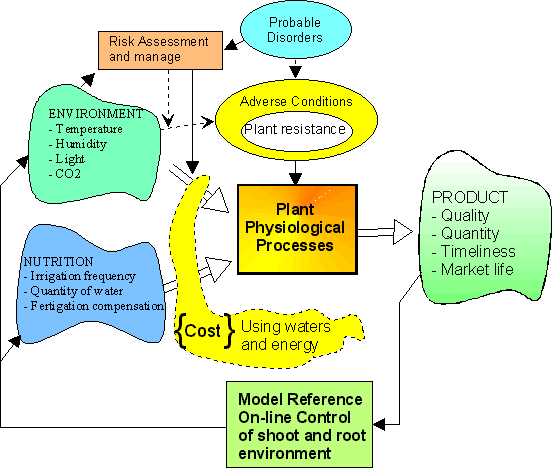
Fig.1 MACQU Virtual Concepts allow Intelligent Integrated Management
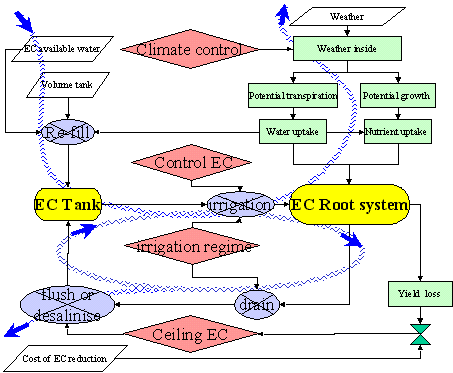
Fig. 2 HORTIMED: Integrated Management of Climate and Irrigation for best water and nutrient use, under constraint water supply
The rapid expansion rate of protected cultivation (3000 ha/year) and the alarming deterioration rate of fresh water resources for its irrigation have forced us to approach this project with a combination of approaches. We deal with new ideas on the possible effects of climate control operations aimed at lowering the rate of transpiration in greenhouses to diminish the potential increase of solute residue concentration. The potential practicality of this idea is high because the warm and sunny Mediterranean climate results in very high transpiration rates. Another innovation is the successive use of drainage water from one crop to irrigate next a more salt tolerant crop. The project also considers the options for optimum use of water with variable quality, either from multiple resources or by local on-farm treatments of the water. As we know that the time required for practically implementing a new technology in horticulture is of the order of 5 years, we opted to adapt studies of irrigation, nutrition and salinity responses of important crops for Mediterranean protected conditions. These traditional approaches to alleviate the damages to crop and environment by optimising management of water and nutrient supply are known to result in immediately applicable practical recipes for growers. To increase the capability of applications with partial results, the project includes expert system development and decision support system.
The overall approach involves the integration of particular solutions into a management model, which will result into complete “answers” to a site problem, using dissemination means such as “farmers guide” and Decission Support Systems. This is depicted in the figure above.